
Physical Theatre Institute (PTI)
PTI Course Director, Curriculum Designer and Tutor: Tang Shu-wing, MH
"After two years of training, the students have become much more free and expressive in their physical and linguistic abilities. Their rhythm and energy possess a personal explosiveness." - Assessor, Hong Kong Arts Development Council
"During performances, I have become more at ease, possibly due to increased confidence or a shift in mindset. I no longer cling to unnecessary worries, fears, judgments, or self-doubt, focusing instead on expressing themselves well." - PTI Student
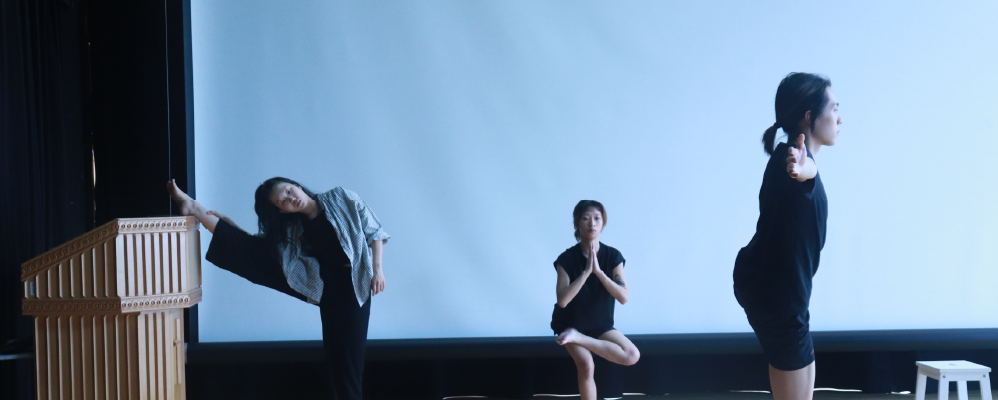
To establish a unique intercultural training and creation system in Hong Kong, the Tang Shu-wing Theatre Studio launched the "PTI Professional Physical Theatre Youth Training Programme" (PTI) in 2014. Designed by Artistic Director Tang Shu-wing, this programme provides fundamental training in physical theatre arts for youth aspiring to enter the field of performance. Physical theatre is a training and creative method that starts with the body. The techniques can be applied to realistic drama and abstract dance, expanding the theatrical vocabulary and performance methods beyond the text. The fundamental training of PTI is based on Tang Shu-wing's "Pre-Language" concept, which enhances the communication between body and senses, improving actors' feelings and expressive abilities during performances. Since its inception, PTI has become an outstanding brand for youth performing arts training in Hong Kong and was awarded the Hong Kong Arts Development Award for "Arts Education (Non-School Category)" by the Hong Kong Arts Development Council in 2015.
Since 2014, under the guidance of Tang Shu-wing and a team of professional tutors, over 500 students have been trained through the "PTI Professional Physical Theatre Youth Training Programme", making it a cradle for nurturing excellent stage performers.
The full PTI curriculum is divided into two academic years, from October to June or July of the following year. Classes are held on weekends, with one class per week (4 hours), including a mid-term exam and a graduation performance in August.
Recruitment of 2025/26 PTI Professional Physical Theatre Youth Training Programme will begin on 6 August 2025 (Wed), 6pm.
Details are as follows:
Tuition Fee | Year 1: HKD 15,500 Year 2: HKD 21,800 |
Enrolment Limit | Year 1: 28 (Two classes, 14 students each) Year 2: 16 (1 class only) |
Available for | For people aged 18 to 24 who are interested in performing arts |
Graduation requirements | Students who achieve an attendance rate of 80% or higher in both regular courses and modules, and complete the graduation performance, will be presented a graduation certificate. |
Enrolment deadline | 26 August 2025 (Tue), 23:59 |
Audition | 2, 4 September 2025 (Tue, Thu) (If the number of applicants exceeds the limit, a selection process will be conducted.) |
Notes | (1) An administrative fee of HKD 200 will be charged at the time of registration and is non-refundable under any circumstances. (2) Accepted applicants must pay an additional deposit of HKD 3,000 for the graduation performance, which will be fully refunded upon completion of the entire course and the graduation performance. (3) TSW Theatre reserves the right to make changes to instructors, course content, class locations, and tuition refunds. |
If you are interested, please complete the following form before the registration deadline.
Registration Form (Year 1): https://cutt.ly/pti25-26_year1
Registration Form (Year 2): https://cutt.ly/pti25-26_year2
Year 1
Regular Course Instructors: Tang Shu-wing, Rocky Wong, Henry Chan
Regular Course Syllabus
1. Fundamental Physical Training
2. Drama Performance Training
1. Fundamental Physical Training
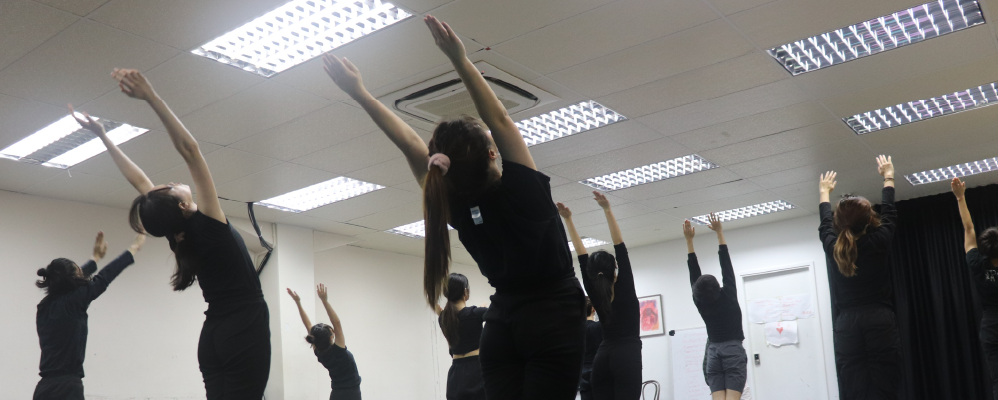
Training includes: basic physical training, group physical training, and basic yoga training.
In addition to developing students' physical abilities, it also fosters a new understanding of themselves and their relationship with the group, emphasizing the connection between body and mind, making the body a tool for integrated performance.
2. Drama Performance Training
Training includes: "Pre-Language" training, imitation training, situational improvisation, and basic text analysis.
Drama performance training focuses on teaching the technique of "mind-body transformation," deepening students' understanding of drama and enhancing their performance abilities. It also improves students' improvisational skills, discovering potential possibilities for interpretation through communication.
Year 2
Regular Course Instructors (including specialised units): Tang Shu-wing, Henry Chan, Lai Yuk-ching, Ng Wai-shek, Margaret Cheung, Kamong & Edith, Simon Wong
Regular Course Syllabus
1. Advanced Physical Techniques
2. Performance Technique Training
1. Advanced Physical Techniques
Four Major Units:
- Breathing, Rhythm, Emotion
- Senses, Imagery, Physical Expression
- Group Training
- Contemporary Text Interpretation
The course aims to deepen and expand students' emotional dimensions in performance, guiding them to integrate different performance experiences from a sensory perspective. It also leads students to use contemporary texts as a foundation for practical creation, aligned with the study of realistic performance styles.
Instructor: Henry Chan
2. Performance Technique Training
The course includes group physical training, improvisation practice, one-person-one-story theatre (Playback Theatre), and scene work from scripts. The aim is to deepen students' understanding and application of pre-language expression techniques, enhancing their creative and expressive abilities. Improvisation is used as a tool for training and creation, honing students' performance intuition, communication skills, openness, and courage. Additionally, improvisation is integrated through the one-person-one-story theater and classic script scene work, encouraging reflection on performance styles and the connection between art and society, moving towards becoming more well-rounded performing artists.
Instructor: Lai Yuk-ching
Intensive Course Syllabus for Specialised Units
1. Clown Performance
2. Organic Synthesis of Dialogue
3. Vocal Techniques
4. Tango Dance
5. Applied Puppetry: GET SET GO
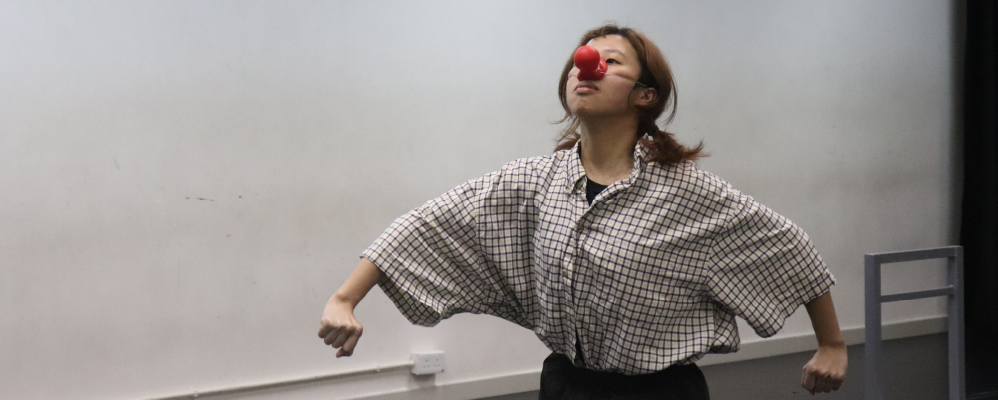
1. Clown PerformanceClowning is not merely about "acting foolishly"; it provides performers with an alternative sense of "presence." Through exploring and presenting each unique individual's self, students will establish their own "clown."
Instructor: Tang Shu-wing
2. Organic Synthesis of DialogueBy using body training with dual polarities, students will experience the symbiotic relationship between vocal energy and physical energy. The Alexander Technique will help eliminate unnecessary bodily tension that affects vocal quality. Finally, students will learn to organically combine the sensations and energies of physical performance with the sensations and energies of vocal dialogue.
Instructor: Ng Wai-shek
3. Vocal TechniquesThe voice is a unique "instrument" for each performer. If actors have a strong understanding of their voice and can adeptly control their "instrument," their stage performances will be more natural, layered, and full of possibilities. This course utilizes the Estill Voice Training system to teach students how to produce sound safely and efficiently (vocal health and efficiency), while also reconnecting them with various human sounds (emotion-driven sounds). Through playful exploration of sound, students will discover the infinite possibilities of their own "instrument."
Instructor: Margaret Cheung
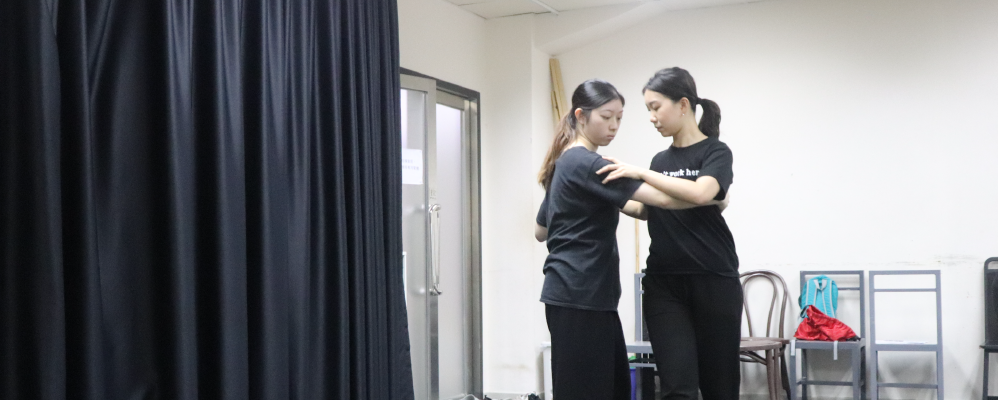
4. Tango DanceArgentine Tango is a sensuous and captivating dance! Through embracing, it releases suppressed emotions into the melancholic tango music. It is a form of communication without words, merging two into one! This dance embodies the essence of Argentine history, culture, and philosophy of life. The course is divided into three parts: - Tango art, culture, and history- Learning tango dance- Performing tango and choreographing
Instructors: Kamong & Edith
5. Applied Puppetry: GET SET GOPuppetry, including marionettes and shadow puppets, is an ancient art form that has recently gained popularity on the performing arts stage. Various cultures worldwide have rich and unique traditions collectively referred to as "puppetry." In the early 20th century, puppetry gained attention due to the needs of children's theater and gradually evolved into a novel form of performance art in Eastern Europe. The course provides students with a basic understanding of the history and development of puppetry through various video clips. Simple fabric puppet-making allows students to gain a deeper understanding of the application of puppets in modern theater.
GET: Understand the concept of applied puppetry through historical development and simple personal puppet-making.SET: Develop the ability to use modern puppetry through group puppet-making, considering its place in contemporary theater.GO: Deepen the understanding of how to conceptualize and plan future processes through individual and group projects.
Instructor: Simon Wong
For more information, please check:
2. Organic Synthesis of Dialogue
3. Vocal Techniques
4. Tango Dance
5. Applied Puppetry: GET SET GO
Year 1: https://drive.google.com/file/d/1clWsdvq9DlF19LIZ5Wkd6pIuC-nkECmI/view?usp=sharing
Year 2: https://drive.google.com/file/d/1djvYqVebsUMIAQWvYPGDJIFo_mYYByxt/view?usp=sharing
| Sun | Mon | Tue | Wed | Thu | Fri | Sat |
|---|


